
Growing Potatoes in Bags on a Small Patio

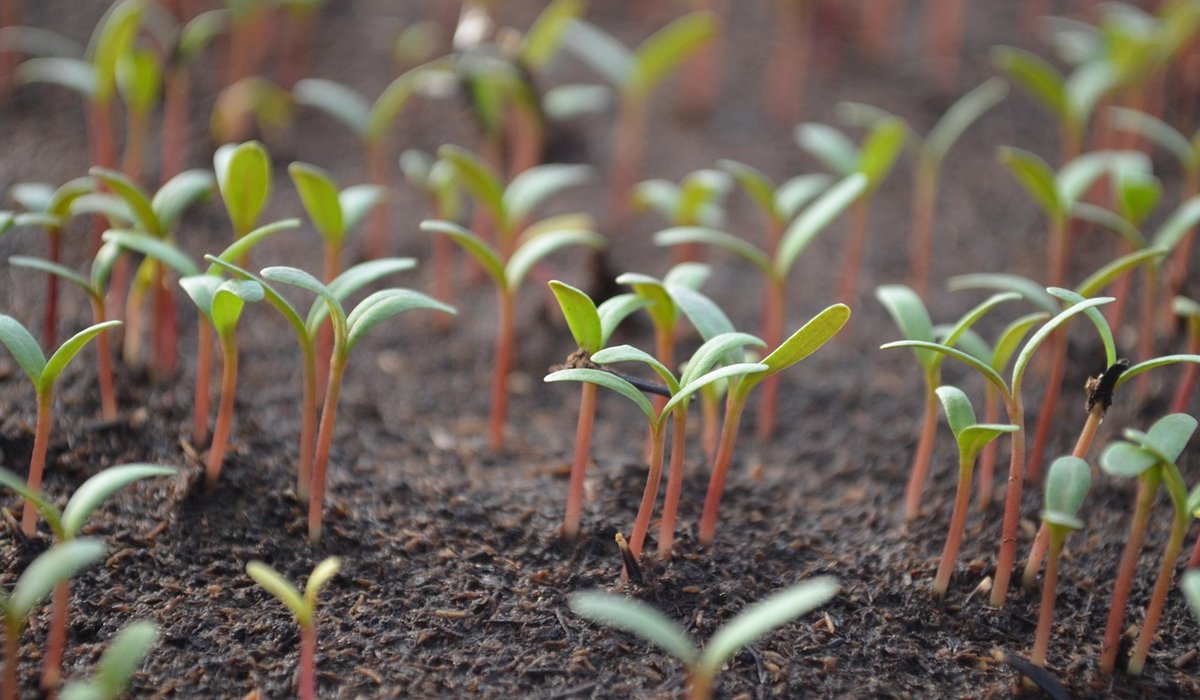
Why a Bag Beats a Bed
Not every gardener has a raised bed, a veg patch or even a strip of soil. Plenty of us have a patio, a balcony, a passage down the side of the house, or a corner of the yard that only ever sees a watering can and a stray football. Potatoes suit that sort of space surprisingly well. A sturdy compost bag, a couple of handfuls of seed potatoes and a sunny wall can produce several kilos of fresh tubers between June and September.
The reason bags work so neatly is that potatoes are perfectly happy to grow upwards. You plant them shallow, then bury the stems as they stretch, and the buried stems throw out extra tubers. A bag makes that earthing-up job easy: no fork, no soil compaction, no backache. You can also move the bag around to chase the sun, and when the foliage dies back you simply tip the whole lot out onto a sheet of newspaper and pick out your dinner.
There are limits. Bags dry out faster than open ground, and a hot, windy patio can bake the compost in an afternoon. Get the watering and the position right, though, and there is no reason a couple of bags on a paved yard should yield less than a respectable row in an allotment.
Choosing the Right Potatoes and Chitting Them
Start with certified seed potatoes rather than anything from the supermarket vegetable rack, which may carry disease and is often treated to suppress sprouting. For bags, first earlies and second earlies are the best value. They crop quickly, in roughly ten to thirteen weeks, and they escape the worst of the blight season. Charlotte, Rocket, Arran Pilot, Nicola and the ever-reliable International Kidney all do well. Maincrops such as King Edward or Desiree will grow, but they take longer and fill the bag with a lot of foliage for a modest return.
Chitting gives you a head start and a heavier crop. Stand the tubers rose end up, meaning the end with the most eyes, in an old egg box or a shallow tray. Put them somewhere cool, light and frost-free — an unheated bedroom, a porch or a shed windowsill is ideal — for four to six weeks from late January or February. You want short, stubby, dark green or purple shoots, roughly a centimetre long. Long, pale, spindly shoots mean the spot is too warm and too dark, and they snap off at planting time.
If you are planting in a cold frame or an unheated greenhouse, you can get away with starting in mid-February. Outdoors on a patio, wait until March or even early April, when the worst of the frost has passed. Potatoes are tender; a sharp late frost will blacken the leaves overnight.
Filling the Bag and Planting
Use a bag designed for the job, or a strong compost sack with a few drainage holes punched in the base and lower sides. A 40 to 50 litre bag takes two or three seed potatoes comfortably. Anything much smaller will dry out too quickly and crowd the roots.
- Fill the bag with about 15cm of good-quality peat-free multipurpose compost, or a mix of compost and sieved garden soil for extra weight and moisture retention.
- Space the tubers evenly, shoots pointing up, about 15cm apart.
- Cover with another 10 to 15cm of compost, so the tubers sit well below the surface.
- Water gently until the compost is damp right through, then leave it alone until shoots appear.
Stand the bag against a south-facing wall if you can. The wall radiates warmth at night, which suits potatoes, and it shelters the foliage from wind. If frost is forecast after the shoots emerge, drape fleece over the top or move the bag into a greenhouse or porch for the night.
Earthing Up, Watering and Feeding
Once the stems are roughly 15 to 20cm tall, add more compost to bury about two-thirds of the growth. Repeat every fortnight or so until the bag is nearly full. This is the single most important job in bag growing: every centimetre of buried stem is extra tuber production, and it also stops any tubers near the surface turning green.
Watering needs attention. Little and often is far better than a weekly flood, especially once the plants are flowering. Aim to keep the compost moist but never waterlogged. On a hot patio you may be watering twice a day in July. A saucer underneath helps, but empty it if it stays full, because soggy roots rot. From the moment the first flowers open, feed with a high-potash tomato feed every ten to fourteen days to swell the tubers. A tomato feed is the simplest option and it does the job well.
Keep an eye out for aphids on the soft new growth and for the tell-tale brown blotches of blight in wet spells. Pick off affected leaves promptly and keep the foliage as dry as you can when watering.
Harvesting Your Crop
First earlies are ready when the flowers open and drop, usually around ten to twelve weeks after planting. Do not wait for the foliage to die down; that is for maincrops. Slide your hand into the compost, feel for a decent tuber, and lift a few as you need them. These early "new" potatoes have papery skins and taste superb simply boiled with butter and mint.
Second earlies and maincrops are best left until the leaves yellow and die back. Stop watering then, and leave the tubers in the dry compost for a fortnight to firm up their skins. After that, tip the bag out and enjoy the hunt. Any you do not eat straight away will store for weeks in a cool, dark, frost-free place — a paper sack in a garage or shed is perfect. Never leave them in the bag in the wet, and never store them in the light, or they will turn green and become unpalatable.
Once the bag is empty, tip the spent compost onto the flower border or into the bottom of next year's containers. Nothing is wasted, and come February you will be setting out next season's egg boxes on the windowsill again.

Joeby Ragpa
This template is so awesome. I didn’t expect so many features inside. E-commerce pages are very useful, you can launch your online store in few seconds. I will rate 5 stars.
ReplyAlexander Samokhin
This template is so awesome. I didn’t expect so many features inside. E-commerce pages are very useful, you can launch your online store in few seconds. I will rate 5 stars.
ReplyChris Root
This template is so awesome. I didn’t expect so many features inside. E-commerce pages are very useful, you can launch your online store in few seconds. I will rate 5 stars.
Reply